Global stories feel fragmented
Students often learn places and dates without seeing how civilizations influenced one another.
Public School Edition · Grades 4–8
A classroom-ready Social Studies system for Grades 4–8 that brings global civilizations, trade, and cultural exchange into focus.
Designed for real classrooms. Built for meaningful learning — not memorization.
Currently being introduced to schools and educators for pilot implementation.
 Elementary (Grades 4–5)
 Middle School (Grades 6–8)
Discussion-driven lessons help students connect geography, trade, culture, and historical change.
Students often learn places and dates without seeing how civilizations influenced one another.
Schools need lessons, discussion prompts, student activities, and pacing that can work in real classrooms.
Students benefit when world history includes trade routes, knowledge networks, and non-Western centers of learning.
A Social Studies enrichment system built around connected civilizations, not isolated chapters.
This Public School Edition examines historical civilizations through geography, trade, innovation, governance, and cultural systems. It does not promote religious belief or religious practice. Students of every background are welcome here.
Students trace how ideas, goods, cities, and technologies moved across regions.
Lessons are designed for observation, comparison, evidence, and classroom conversation.
Elementary and middle school versions are prepared for local school review and classroom trial.
Use these as pilot-ready materials for Grades 4–8. The site intentionally presents the books as a classroom system, not as a religious curriculum.
Recommended for Grades 4–5


Recommended for Grades 6–8


Each unit explores how civilizations connect through trade, knowledge, and culture.
A meeting point of scholarship, trade, and three faith traditions in medieval Iberia.
West African gold, trans-Saharan trade, and the rise of Timbuktu as a center of learning.
The Southeast Asian port city where the trade winds, languages, and goods of half the world met.
Silk Roads, Indian Ocean routes, and Saharan caravans — how ideas traveled with goods.
Designed to support real classroom instruction.
Memorizing disconnected chapters, isolated civilizations, and dates without context.
A connected world-history framework built around movement, exchange, systems, questions, and evidence.
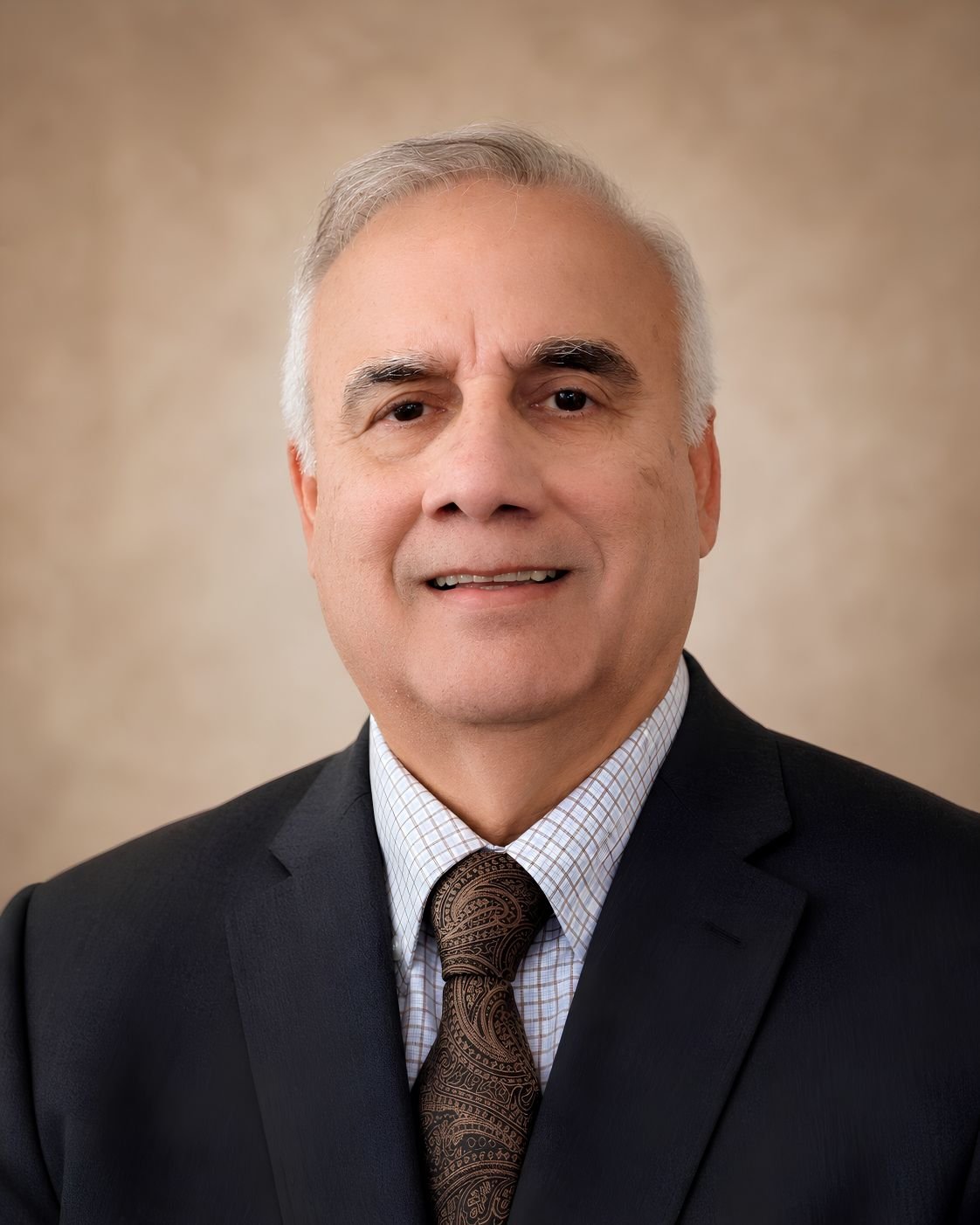
Founder of a K–12 curriculum publishing initiative focused on global learning and classroom-ready instructional systems.
Tell me a little about your school and grade band. I personally read every request and follow up within 24 hours.